
Schizoaffective Treatment: Symptoms, Options, and Finding Help
Schizoaffective treatment is available in Alabama through qualified mental health programs that address both psychotic symptoms and mood episodes. If you or someone you care about is experiencing symptoms that affect thinking, mood, and daily functioning, a professional assessment is the right first step.
Longleaf Recovery & Wellness is committed to helping adults in Alabama access the care they need. Our program operates multiple locations across Alabama, including Baldwin, Birmingham, and Huntsville, and accepts adults with schizoaffective disorder as a co-occurring condition at several of its sites. Programs vary by location and include partial hospitalization (PHP), intensive outpatient (IOP), dual diagnosis treatment, and outpatient services. Longleaf is accredited by The Joint Commission, certified by LegitScript, and a member of NAATP. Learn more about our available mental health treatment services to determine which program may be appropriate for your situation.
What Is Schizoaffective Disorder?

Schizoaffective disorder is a mental health condition that involves symptoms of psychosis, such as hallucinations or delusions, alongside significant mood episodes involving depression or mania. According to the National Alliance on Mental Illness (NAMI), it combines features of schizophrenia and a mood disorder, which is why it is often misdiagnosed at first as one or the other. There are two main types:
- The bipolar type involves episodes of mania, which may also include depression.
- The depressive type involves only depressive episodes alongside psychotic symptoms.
Both types can significantly affect a person's ability to function at work, in relationships, and in daily life. Symptoms and treatment needs vary from person to person, which is why individualized assessment and care planning are essential.
What Are the Symptoms of Schizoaffective Disorder?
Schizoaffective disorder produces two overlapping categories of symptoms: psychotic symptoms and mood symptoms. Understanding both is important for recognizing when to seek help.
Psychotic symptoms may include:
- Hallucinations, hearing or seeing things others do not
- Delusions, or fixed false beliefs that are not based in reality
- Disorganized thinking or speech that is difficult to follow
- Flat or reduced emotional expression
Mood symptoms depend on the type:
- In the depressive type: Persistent sadness, low energy, loss of interest, and difficulty concentrating
- In the bipolar type: Elevated or irritable mood, increased energy, reduced need for sleep, and impulsive behavior
These symptoms can interfere with relationships, employment, school, and basic self-care. According to NAMI, people with schizoaffective disorder often experience significant disruption to daily functioning, particularly when symptoms go untreated. If you recognize these symptoms in yourself or someone else, a qualified mental health professional can conduct a proper assessment. Self-diagnosis based on a list of symptoms is not a substitute for clinical evaluation.
How Is Schizoaffective Disorder Different from Other Conditions?
Schizoaffective disorder shares features with several other diagnoses, which can make it difficult to distinguish without a thorough clinical history. The key differences lie in the timing, duration, and pattern of psychotic and mood symptoms.
How Is Schizoaffective Disorder Different from Schizophrenia?
In schizophrenia, psychotic symptoms are the primary feature, and any mood symptoms that occur are brief relative to the overall duration of the illness. In schizoaffective disorder, mood episodes, whether depressive or manic, are present for a substantial portion of the illness and are not just a minor feature. The diagnostic criteria summarized by NAMI require mood episodes to be present for the majority of the illness, which is central to the diagnosis.
How Is Schizoaffective Disorder Different from Bipolar Disorder with Psychotic Features?
In bipolar disorder with psychotic features, hallucinations or delusions occur only during mood episodes, such as during a manic or depressive episode. In schizoaffective disorder, psychotic symptoms persist even when no mood episode is present. That period of psychosis without active mood symptoms is a defining clinical marker.
How Is Schizoaffective Disorder Different from Major Depressive Disorder with Psychotic Features?
Major depressive disorder with psychotic features involves hallucinations or delusions that occur only during depressive episodes. In schizoaffective disorder, psychotic symptoms continue outside of depressive episodes. Accurate diagnosis requires a careful review of the timeline of symptoms, which is why clinical history matters so much.
What Does Schizoaffective Treatment Involve?
Schizoaffective treatment typically combines medication, psychotherapy, and ongoing psychiatric monitoring. Because the condition involves both psychotic and mood symptoms, treatment must address both, and the right combination varies by individual.
How Does a Psychiatric Evaluation and Ongoing Monitoring Work?
A psychiatric evaluation gathers a detailed history of symptoms, their timing, duration, and impact on functioning. This information helps a clinician distinguish schizoaffective disorder from related conditions and develop an appropriate treatment plan. Ongoing monitoring is equally important because symptoms can shift over time, and medication or therapy adjustments may be needed.
Which Medications Help Manage Psychosis and Mood Symptoms?
Antipsychotic medications are typically the foundation of schizoaffective treatment, according to NAMI. They help reduce or manage psychotic symptoms such as hallucinations and delusions. Depending on the type of schizoaffective disorder, a prescriber may also consider mood stabilizers for the bipolar type or antidepressants for the depressive type.
Medication selection, dosage, and monitoring must be determined by a qualified prescriber based on the individual's full clinical picture. If side effects arise, it is important to communicate them to a healthcare provider before making any changes to a medication regimen.
How Does Therapy Support Daily Functioning and Coping?
Psychotherapy helps people understand their symptoms, develop coping strategies, and manage stress. According to NAMI, cognitive behavioral therapy (CBT), including a version adapted for psychosis, can help people develop coping strategies for persistent symptoms. Therapy may also address practical skills such as maintaining routines, managing relationships, and recognizing early warning signs of worsening symptoms.
Therapy is generally one part of a broader treatment plan. For most people with schizoaffective disorder, it works alongside medication rather than as a replacement for it. Longleaf Recovery & Wellness offers a range of therapy options that may be incorporated into a mental health treatment plan.
How Are Co-Occurring Substance Use and Other Conditions Addressed?
According to SAMHSA’s 2025 National Survey on Drug Use and Health, 18.5 million adults experienced a co-occurring substance use and mental health disorder in the past year. Substance use can worsen psychotic and mood symptoms and complicate treatment. When both conditions are present, SAMHSA recommends integrated care that addresses them together, which can improve outcomes. Several Longleaf locations offer dual diagnosis programming for adults managing both mental health and substance use conditions.
How Is the Right Level of Care Determined in Schizoaffective Treatment?

Clinicians assess the appropriate level of care based on symptom severity, safety, daily functioning, and available support. Options include:
- Outpatient programs, which may be appropriate for individuals who are stable and have adequate support at home
- Partial hospitalization (PHP), which provide more structured care for those who need closer monitoring without inpatient admission
- Intensive outpatient (IOP), which is a step-down from partial hospitalization with more flexibility
- Inpatient psychiatric care, which may be necessary when symptoms pose a safety risk or are too severe to manage in an outpatient setting
Continuity of care matters. Transitions between levels of care should be planned and supported to reduce the risk of relapse or symptom worsening.
How Can You Live Well with Schizoaffective Disorder?
Long-term stability with schizoaffective disorder is possible with consistent treatment and support. The following habits contribute to better outcomes:
- Keep regular psychiatric appointments
- Maintain a structured daily routine
- Get adequate sleep
- Build a reliable support network
- Recognize early warning signs of symptom changes, such as increased difficulty sleeping or shifts in mood, to allow for timely intervention before a full episode develops
Family members can play a meaningful role by staying informed about the condition and offering support while respecting the individual's treatment decisions and autonomy. Recovery goals differ from person to person, and progress is not always linear.
Find Support for Schizoaffective Disorder at Longleaf Recovery & Wellness
A professional assessment is the starting point for anyone experiencing symptoms of schizoaffective disorder. From there, an individualized treatment plan that combines medication, therapy, and ongoing monitoring gives people the best foundation for managing symptoms and working toward their personal goals. Longleaf Recovery & Wellness provides mental health treatment services at multiple Alabama locations and is accredited by The Joint Commission, certified by LegitScript, and a member of NAATP. Contact Longleaf to learn about available programs and determine whether they may be a good fit.
Verify Your Insurance to Begin Your Recovery Journey
Taking the first step toward mental health treatment can feel overwhelming, but understanding your coverage options does not have to be. Longleaf Recovery & Wellness accepts many insurance plans across its Alabama locations, and our team can help you understand what your benefits may cover. Verify Your Insurance
Frequently Asked Questions
What is the best treatment for schizoaffective disorder?
There is no single best treatment that applies to everyone. According to NAMI, people with schizoaffective disorder are often treated with a combination of medication and psychotherapy, with the specific plan tailored to the individual’s symptoms and history.
Can schizoaffective disorder be treated with medication and therapy?
Yes. Medication helps manage psychotic and mood symptoms, while therapy supports coping, daily functioning, and relapse prevention. Treatment usually uses both together rather than relying on either alone.
Is schizoaffective disorder the same as schizophrenia?
No. While both involve psychotic symptoms, schizoaffective disorder also includes significant mood episodes, either depressive or manic, that are present for a substantial portion of the illness. In schizophrenia, mood symptoms are minimal relative to the psychotic symptoms.
Does schizoaffective disorder require lifelong treatment?
For many people, ongoing treatment is necessary to maintain stability and prevent relapse. Individuals should take medication as prescribed, because stopping can allow symptoms to return or worsen. Treatment needs may change over time, but regular psychiatric follow-up is generally recommended long-term.
What type of mental health treatment is available in Alabama?
Alabama has mental health treatment options ranging from outpatient therapy to partial hospitalization and dual diagnosis programs. Longleaf Recovery & Wellness operates locations in Baldwin, Birmingham, and Huntsville, offering PHP, IOP, dual diagnosis treatment, and other services. Explore our Longleaf locations for details on each site.
How can I help a loved one with schizoaffective disorder?
Learning about the condition is a practical first step. Encouraging consistent treatment, offering stable support, and avoiding actions that undermine the person’s autonomy or treatment decisions are all helpful. If your loved one is in crisis, call or text the 988 Suicide & Crisis Lifeline, or call 911 in an emergency.
Our Locations
Our Recovery Center Locations
Four Alabama locations offering a full continuum of care, close to where you live.
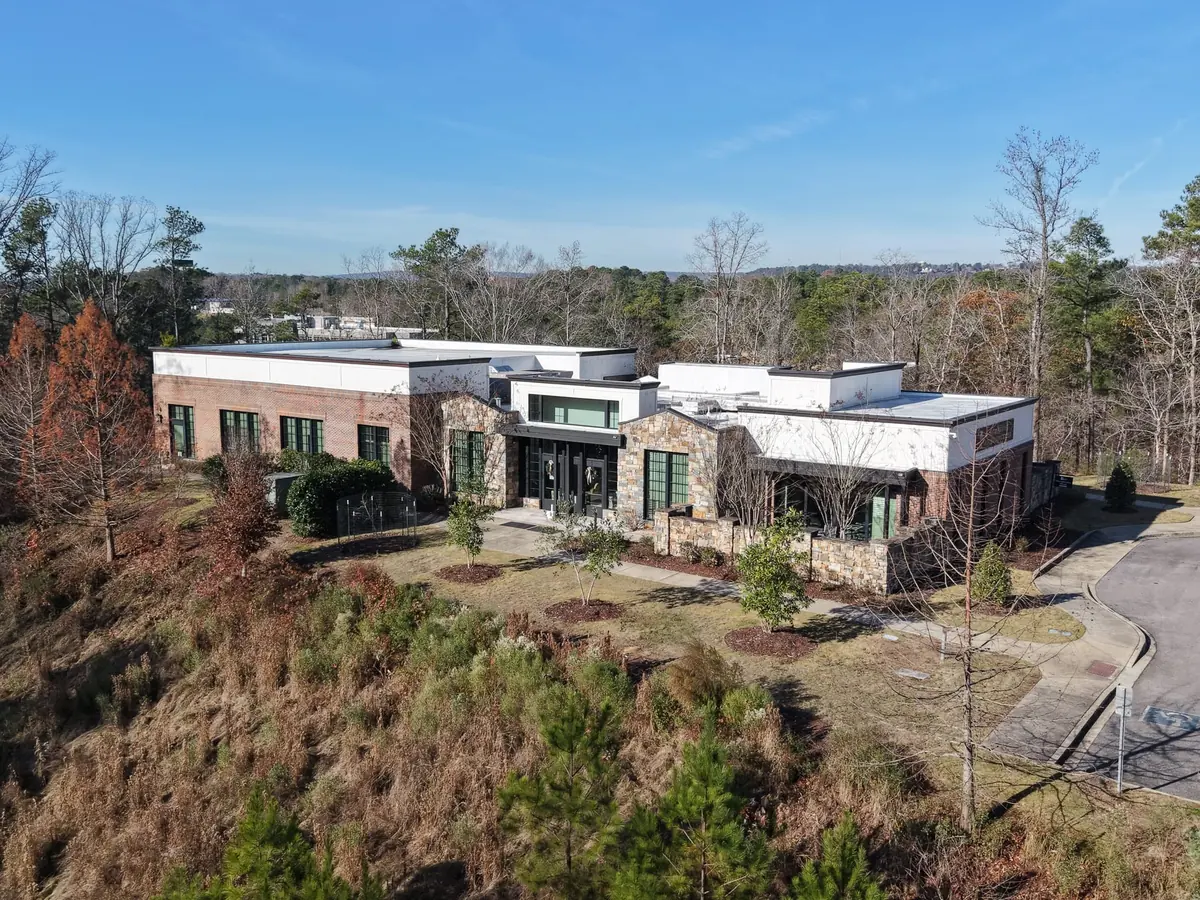 Outpatient Substance Use
Birmingham Recovery Center
2501 International Park Drive, Birmingham, AL 35243
(205) 548-3202
 Outpatient Mental Health
Longleaf Wellness Birmingham
2441 International Park Drive, Birmingham, AL 35243
(205) 289-1411
 Substance Use & Mental Health
Longleaf Recovery Huntsville
867 Town Madison Boulevard, Madison, AL 35758
(256) 666-5582
 Substance Use & Mental Health
Longleaf Recovery Baldwin
13920 Cypress Way, Spanish Fort, AL 36527
(251) 451-9320
Begin Your Recovery Today
Take the first step toward lasting wellness. Our admissions team is available 24/7 to answer your questions.
In an emergency, call 911. For a mental health or substance use crisis, call or text 988.