16486 Hwy 55, Sterrett, AL 35147 (opens Google Maps) Shelby County, about 40 minutes from Birmingham
Longleaf Lodge
Family Program for Residential Rehab in Alabama
Longleaf Lodge family program
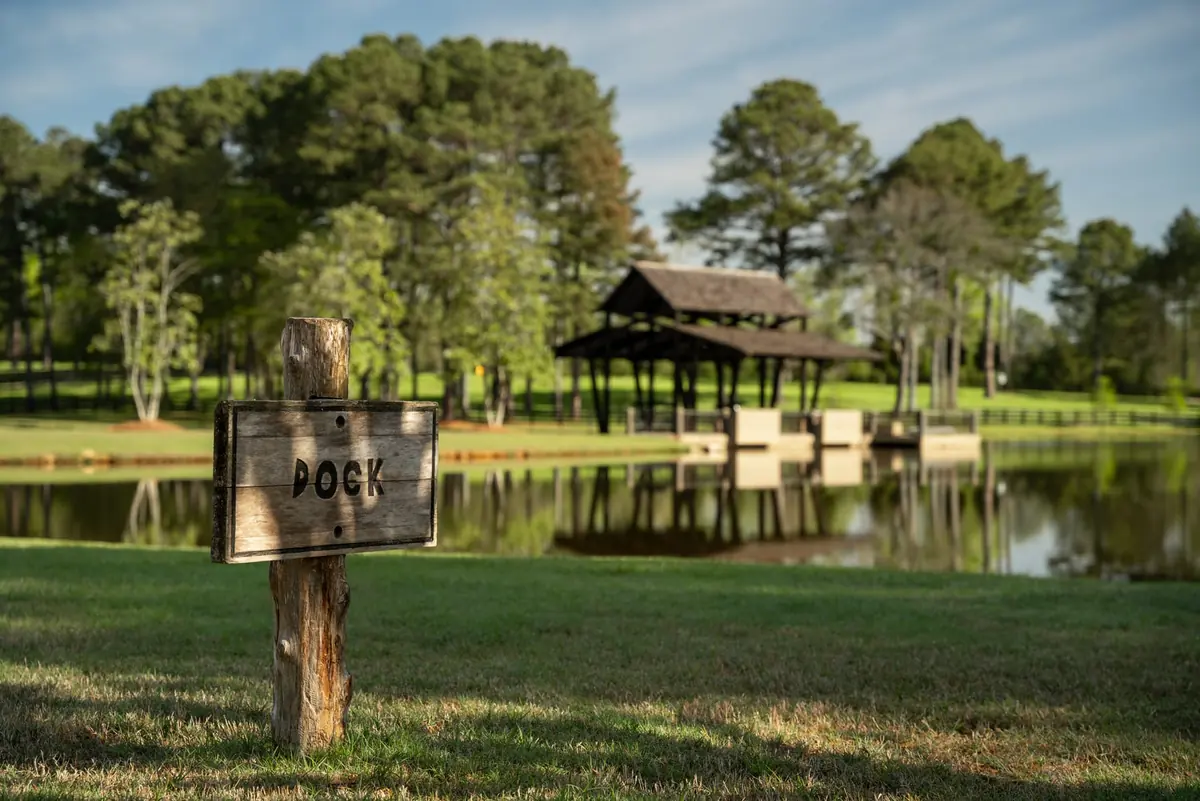
For parents, spouses and adult children
Why family involvement matters in addiction treatment
Addiction changes a household long before anyone says the word out loud. Parents lie awake listening for a car in the driveway. Spouses take over the bills and explain absences to the children. By the time a person arrives at the Lodge, the people who love them are often exhausted and frightened, and many are angry too.
A residential stay gives your loved one time away from all of that, and the family program uses the same weeks to work on home. Families learn what addiction and early recovery look like, and they work with the resident's primary therapist on the conversations that have been too hard to have alone.
Family sessions at the Lodge draw on family therapy for addiction, which Longleaf also offers at its outpatient locations. Taking part is always voluntary, and the care team starts wherever your family is.
The family program
How families take part in residential treatment
The Lodge's therapists run the family program, and it follows your loved one's own treatment plan. Everything on this page happens with the resident's written consent.
 Rendering
Planned with the therapist
Family sessions with the primary therapist
Sessions give everyone a safe place to talk about what happened, learn what treatment involves and plan for home afterward.
 Rendering
For the people closest to a resident
Family education sessions
, what early recovery looks like, and how to set boundaries while staying close.
 Rendering
Planned with the care team
Visits on campus
Visitors check in at the Welcome House.
The first days
The first days: when and how you hear from the care team
-
Before admission
A conversation with admissions
Families often make the first call. The Longleaf Lodge admissions team talks with you about the stay, what to pack and how to get here. Longleaf Lodge works with commercial insurance, and admissions can verify benefits and explain how a plan typically covers medical detox and residential treatment.
-
Arrival day
Your loved one decides who we can talk to
-
Early in the stay
A call from the primary therapist
, answers your first questions and sets up the first family session.
-
Throughout the stay
Updates, with consent
What your loved one says in therapy stays private unless they choose to share it.
Privacy and consent, in plain terms
Substance use treatment records carry stricter privacy protections than most health records. Two federal rules apply: 42 CFR Part 2, which covers substance use treatment specifically, and HIPAA.
In practice, if your loved one has not signed a consent that names you, staff cannot confirm that they are at the Lodge, even to a spouse or to the parent of an adult child.
Visiting
Visiting a loved one in rehab at Longleaf Lodge
Visits are planned with the care team so they support the work your loved one is doing and keep the campus calm for every resident.
If a visit has to wait, the reason is clinical, and the therapist explains why.
| When | |
|---|---|
| Who | Family and friends your loved one has approved in writing |
| Where | Check in at the Welcome House |
For the resident's side of a stay, from the daily routine to the packing list, see what to expect during a stay at the Lodge.
 Rendering

Phone calls and mail
Staying in touch during residential treatment
, so your loved one can focus on the first weeks of treatment. The primary therapist explains how calls and mail work once your loved one is settled.
, and they often say what is hard to say on the phone. You can call admissions at (844) 810-7340 with any question in the meantime.
Caring for yourself
Support for families: Al-Anon, Nar-Anon and your own recovery
While your loved one is in treatment, you may finally have room to breathe, and it is common for everything you set aside to arrive at once. Families need support of their own, and it helps to start while your loved one is still at the Lodge.
Al-Anon is for anyone affected by someone else's drinking. Nar-Anon is for the families and friends of people who use drugs. Both are free and peer-led, with meetings in person across Alabama and online.
A counselor of your own can help as well, especially for a spouse or partner who has carried years of worry. Ask the primary therapist for local options. Our admissions team can also tell you about care at Longleaf's outpatient locations if someone else in the family needs help with their own substance use or mental health.
Continuing care
After the Lodge: the family role in continuing care
Residents step down to partial hospitalization, intensive outpatient and outpatient care at Longleaf's locations in Birmingham, Huntsville and Baldwin County, or to virtual IOP anywhere in Alabama. Family sessions can continue at each step, and addiction aftercare at Longleaf keeps support in place after formal treatment ends. For the full program, see residential treatment at Longleaf Lodge.

Getting here
Traveling to Longleaf Lodge and staying nearby
Longleaf Lodge is at , in Shelby County, . Families flying in usually land at Birmingham-Shuttlesworth International Airport and drive from there.
Hotels in the Birmingham area and in nearby Shelby County communities are within driving distance.
The last miles are rural and , so save your directions before you set out and allow a little extra time to check in at the Welcome House. You can see the Lodge property and its buildings before you come.
Talk with admissions
Questions about the Lodge, or need care today?
Longleaf Lodge is for adults with a substance use disorder, with or without a co-occurring mental health condition.
Our admissions team answers every call. We can tell you more about the Lodge, add you to the interest list for Summer 2027, and help you find care that is open today at one of Longleaf’s Alabama locations.
In an emergency, call 911. For a mental health or substance use crisis, call or text 988.