16486 Hwy 55, Sterrett, AL 35147 (opens Google Maps) Shelby County, about 40 minutes from Birmingham
Longleaf Lodge
What to Expect in Residential Treatment
How a stay at Longleaf Lodge works, from the first phone call to your last week, for the person coming in and for the family helping them get here.
Start here
Your stay at Longleaf Lodge at a glance
Coming into residential treatment means leaving home and work for a few weeks, and most people arrive with questions they never got to ask. This page answers the practical ones, in the order you will meet them.
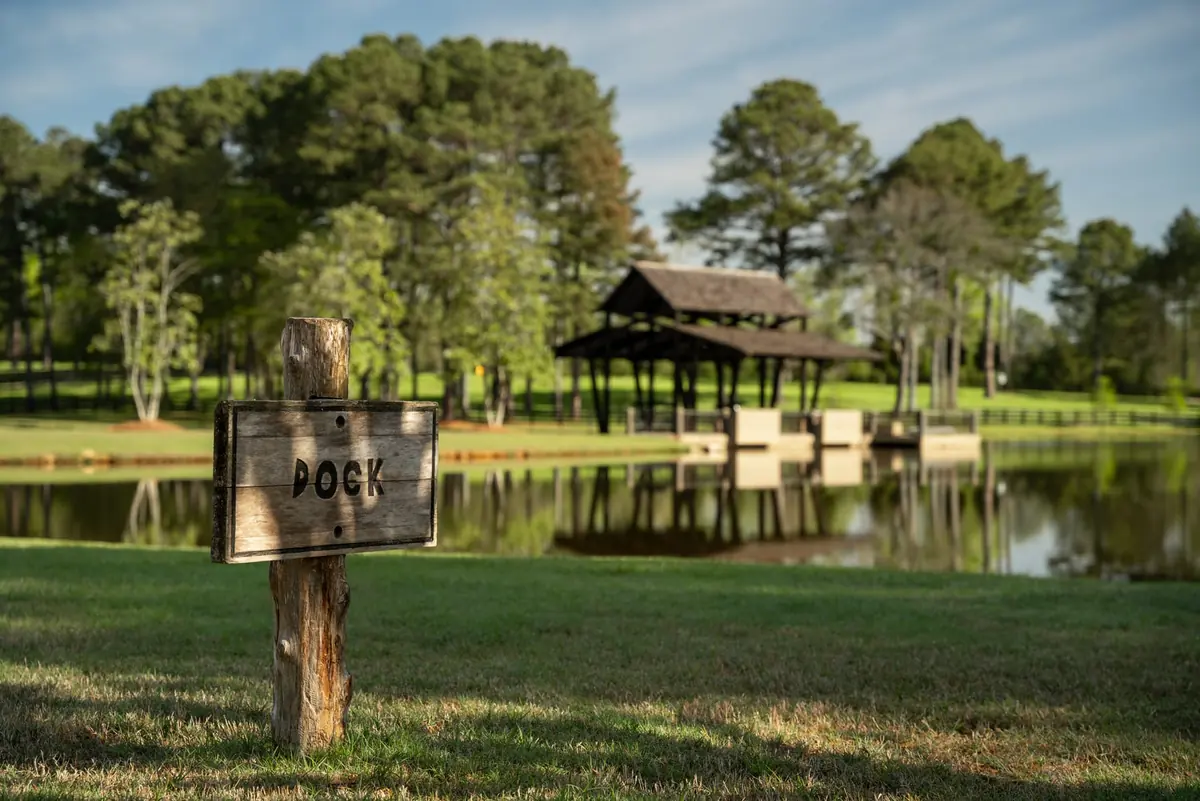
Days follow a set schedule, and the people treating you see you every day. You can see the Lodge property before you come.
- Length of stay
- Where you live
- One of six cabins, most rooms shared by two residents, with a common room, kitchenette and laundry in every cabin.
- Your weekdays
- , with meals together and time outdoors in between. .
- Medical detox
- Ten beds in a dedicated building for medical detox, with 24/7 nursing and physician oversight.
Before you arrive
Before you arrive: from the first call to admission day
Most admissions start with a phone call, and you do not need to have everything figured out before you make it. Admissions asks about your substance use, health and medications, checks your insurance benefits and sets an arrival date with you. The Longleaf Lodge admissions and insurance page covers each step.
If you drink every day or take benzodiazepines, Withdrawal from alcohol and benzodiazepines can be dangerous. Tell admissions exactly what you use, and we plan for medical detox when you arrive.

Admission day
Your first day of residential treatment
The first day is mostly paperwork and settling in, and staff walk you through each step.
-
Arriving at the Welcome House
Admissions staff go over consent forms with you and answer questions from you and whoever brought you.
-
A nursing screen
-
Checking your belongings
Anything not allowed
-
Meeting your therapist and your cabin
You meet your primary therapist, who leads your treatment plan, and a staff member walks you to your cabin and your room.
-
Detox first, when you need it
A day at the Lodge
The daily schedule in residential rehab
Group therapy is the core of it, alongside skills groups, psychoeducation and individual therapy with your primary therapist. , with fewer groups and more time for rest.
The groups draw on the therapies used in residential treatment at the Lodge, including CBT, DBT, EMDR and trauma-informed care.
| Time | Activity |
|---|---|
| 7:30am | Breakfast in The Commons |
| 8:30am | Morning meditation and community meeting |
| 9:00am | Process group with your therapist |
| 10:30am | Skills group: CBT, DBT or relapse prevention |
| 12:00pm | Lunch |
| 1:00pm | Individual therapy and medical appointments |
| 2:00pm | Psychoeducation: how addiction and recovery work |
| 3:15pm | Recreation in the fitness room or out on the trails |
| 4:30pm | Personal time for reading, journaling and assignments |
| 5:30pm | Dinner |
| 7:00pm | Evening group or recovery meeting |
| 8:30pm | Free time in your cabin |
| 9:30pm | Evening medications and cabin check-in |
Packing list
What to bring to rehab, and what to leave at home
Pack light. A week of clothes is enough because every cabin has laundry, and snacks, toiletries, books and other everyday items are available at Provisions, the campus store. Put your name on your bags and your belongings.
What to bring
- Current medications in their original pharmacy containers, with a list of doses and prescribers
- Sturdy walking shoes or hiking boots, a rain jacket and a warm layer for the trails
- Workout clothes and athletic shoes for the fitness room
- Sleepwear, slippers and shower shoes
- Toiletries that do not contain alcohol
- Glasses, contact lenses, hearing aids, a CPAP machine or any medical device you use
- A written list of phone numbers for family, doctors and work
- A journal, a few books, and photos of the people you love
and the list of doses even if you expect changes.
What to leave at home
- Everyone living at the Lodge is in early recovery, and the campus stays substance-free for all of them.
- Mouthwash, hand sanitizer, and some perfumes and aftershaves can be misused and can affect a test.
- The medical team provides what you need and checks every medicine against your treatment.
- Weapons of any kind, including pocketknives and pepper spray. Every resident and staff member needs to be safe.
- Treatment time is protected. If work or a court matter requires a device, talk with admissions before you arrive.
- Valuables, expensive jewelry and large amounts of cash. You will not need them, and the Lodge cannot be responsible for them.
- Meals come from the Lodge kitchen, and energy drinks disrupt sleep. Tell admissions about allergies or dietary needs ahead of time.
- Clothing with alcohol, drug or violent images. The cabins and groups are shared spaces, and clothing should respect everyone in them.
Staying in touch
Phones, mail and visits during your stay
Community life
Campus guidelines for residents
After the Lodge
Planning your next step after residential treatment
The next step is usually partial hospitalization or intensive outpatient care at Longleaf's locations in Birmingham, Huntsville and Baldwin County. Virtual IOP reaches residents anywhere in Alabama, and addiction aftercare keeps support in place once the formal program ends.
Talk with admissions
Questions about the Lodge, or need care today?
Longleaf Lodge is for adults with a substance use disorder, with or without a co-occurring mental health condition.
Our admissions team answers every call. We can tell you more about the Lodge, add you to the interest list for Summer 2027, and help you find care that is open today at one of Longleaf’s Alabama locations.
In an emergency, call 911. For a mental health or substance use crisis, call or text 988.