The Significance of Aftercare Programs in Preventing Relapse
When it comes to recovering from addiction, aftercare programs hold a crucial role in the continuum of care. These programs act as a critical bridge between intensive treatment phases and long-term sobriety and are a vital component of the recovery process that significantly contributes to the prevention of relapse.
At Birmingham Recovery Center, we understand the challenges of overcoming addiction and the challenges that come with maintaining sobriety. Hence, we emphasize the importance of aftercare programs in ensuring a seamless transition for individuals as they reintegrate into their daily lives.
Understanding Aftercare Programs

Aftercare programs are structured support systems designed to help individuals who have completed an initial phase of addiction treatment—such as detoxification and residential or outpatient treatment—navigate the early stages of recovery. These programs provide a wide array of services, among which are:
Ongoing Therapy
Ongoing therapy sessions provide a safe space for individuals to continue exploring underlying issues contributing to addiction, work through challenges encountered in recovery, and foster personal growth. Therapy is crucial for maintaining mental health and preventing relapse.
Support Group Meetings
Support group meetings offer a community of peers who understand the struggles and triumphs of recovery. These meetings foster an environment where individuals can share their stories, extend and receive support, and gain insights from peers on similar journeys, emphasizing the collective nature of recovery.
Educational Workshops
Educational workshops aim to equip individuals with knowledge about the nature of addiction, healthy coping mechanisms, life skills, and more. They serve as an invaluable resource for personal development and making informed choices in recovery.
Relapse Prevention Training
Relapse prevention training focuses on identifying triggers, developing effective coping strategies, and planning for high-risk situations. This training empowers individuals to manage their recovery proactively and maintain sobriety in the face of challenges.
The core objective of aftercare is to provide continuous support and guidance, aiding individuals in solidifying the coping strategies they learned during treatment and applying them to real-world situations.
The Role of Aftercare in Preventing Relapse
Relapse is a common concern in the recovery process, with studies indicating varying rates of relapse among individuals post-treatment. However, engagement in aftercare programs has been shown to significantly reduce the risk of relapse. This decrease can be linked to multiple contributing factors:
Continuous Support
This continuous care helps individuals feel less isolated as they face the challenges of reintegration, providing a safety net during vulnerable times. Support might come in the form of counseling sessions, peer support meetings, or regular check-ins with a recovery coach.
Education and Awareness
Aftercare provides education on the nature of addiction and relapse, further illuminating triggers, stressors, and the importance of self-care. This knowledge empowers individuals to recognize signs of potential relapse and take proactive steps to maintain their sobriety.
Development and Reinforcement of Coping Strategies
During the initial treatment phases, individuals learn various coping mechanisms to deal with cravings, stress, and triggers. Aftercare programs help reinforce these strategies, ensuring that individuals have the tools they need to handle the pressures of everyday life without resorting to substance use.
Assistance with Reintegration
Reintegrating into society, resuming work or school, and rebuilding relationships can be daunting for those in recovery. Aftercare programs often provide resources and guidance to help individuals navigate these aspects, which can be crucial in preventing relapse.
Providing a Sense of Community
Many aftercare programs offer access to a community of individuals who share similar experiences and challenges. This sense of belonging can be incredibly therapeutic, offering both emotional support and accountability.
The Impact of Aftercare on Long-term Recovery
The benefits of aftercare programs extend beyond immediate relapse prevention. These programs play a fundamental role in fostering long-term recovery by helping individuals build a fulfilling life in sobriety. By addressing various aspects of an individual's life, including mental health, physical well-being, social relationships, and professional development, aftercare programs contribute to holistic healing.
Aftercare Programs at Birmingham Recovery Center
At Birmingham Recovery Center, our aftercare programs are designed with the understanding that recovery is a lifelong process that requires ongoing attention and care. We tailor our aftercare services to meet the unique needs of each individual, ensuring they receive the support necessary for lasting recovery. Our approach includes:
-
-

Personalized Counseling: Ongoing therapy sessions help individuals address any new or persistent challenges that arise post-treatment. These sessions are tailored to meet the evolving needs and goals of each person as they progress through recovery.
- Support Groups: We provide access to various support groups, including 12-step programs and alternative support networks, encouraging community engagement and peer support. Participation in these groups reinforces a sense of belonging and shared purpose in the journey to sobriety.
- Educational Workshops: Our workshops cover a range of topics, from stress management and relapse prevention to personal finance and healthy lifestyle habits. They provide practical tools and knowledge essential for building a stable, fulfilling life in recovery.
- Family Support Services: Recognizing the impact of addiction on families, we offer services aimed at healing and strengthening family relationships. These services create a supportive environment that fosters understanding, reconciliation, and collective growth.
- Alumni Programs: Our alumni network provides opportunities for individuals to stay connected with peers and engage in continued learning and growth. This ongoing connection serves as a valuable source of motivation and inspiration, reminding alumni of their strength and resilience.
-
Get Help with Your Addiction Today
The significance of aftercare programs in preventing relapse cannot be overstated. These programs are essential in supporting individuals as they transition from structured treatment environments to the autonomy of daily life, providing the tools, knowledge, and support needed to sustain long-term recovery. Birmingham Recovery Center is committed to offering comprehensive aftercare services that address the multifaceted nature of recovery, ensuring that each individual has the foundation for a successful, sober life ahead.
We understand that each person's path to recovery is unique, and our aftercare programs are designed to accommodate the diverse needs of those we serve. By fostering a supportive, nurturing environment, we empower individuals to thrive in recovery, building resilience against relapse and paving the way for a brighter, substance-free future. Contact our team in Birmingham, AL, by calling (844) 810-7340 to get the help you need.
Related Articles

Our Locations
Our Recovery Center Locations
Four Alabama locations offering a full continuum of care, close to where you live.
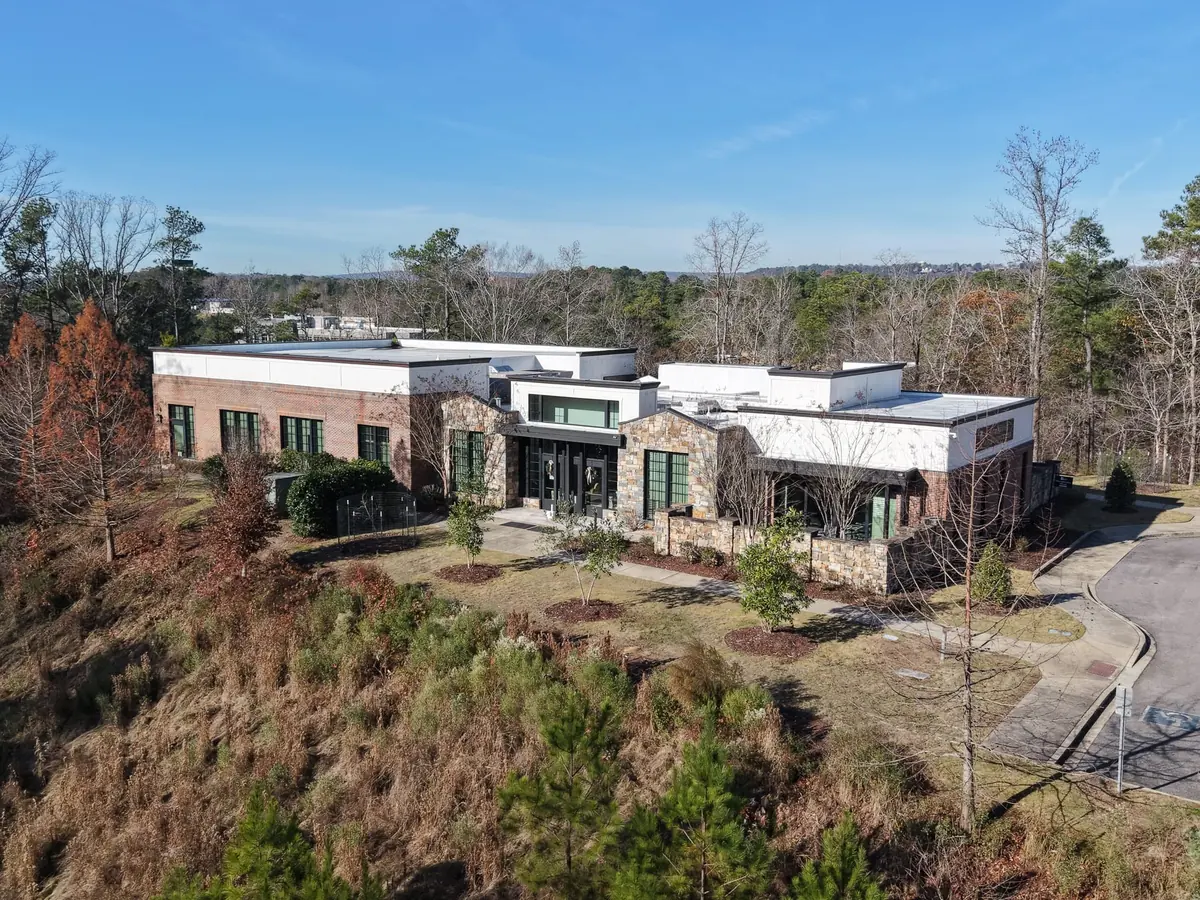 Outpatient Substance Use
Birmingham Recovery Center
2501 International Park Drive, Birmingham, AL 35243
(205) 548-3202
 Outpatient Mental Health
Longleaf Wellness Birmingham
2441 International Park Drive, Birmingham, AL 35243
(205) 289-1411
 Substance Use & Mental Health
Longleaf Recovery Huntsville
867 Town Madison Boulevard, Madison, AL 35758
(256) 666-5582
 Substance Use & Mental Health
Longleaf Recovery Baldwin
13920 Cypress Way, Spanish Fort, AL 36527
(251) 451-9320
Begin Your Recovery Today
Take the first step toward lasting wellness. Our admissions team is available 24/7 to answer your questions.
In an emergency, call 911. For a mental health or substance use crisis, call or text 988.